
The UK has seen some of its hottest temperatures in years this summer, and offices across the country have been feeling it. Windows are firmly shut to keep the heat out. Air conditioning units are running flat out, recirculating the same air – along with the dust, allergens, bacteria, and pollutants that come with it. Pollen counts have been at their summer peak for weeks. And the people sitting at desks in those offices are breathing all of it in, all day.
It’s not just uncomfortable. It’s a health and productivity issue that most businesses haven’t thought to address.
Indoor air quality is one of the most overlooked factors in workplace health – and this summer, with temperatures pushing records and ventilation at a minimum, it’s worse than most.
What's Actually in Your Office Air
Most people assume that being indoors offers some protection from poor air. In reality, the opposite is often true. The Environmental Protection Agency has found that indoor air can be two to five times more polluted than outdoor air – and in poorly ventilated or inadequately cleaned buildings, that figure can be significantly higher.
Indoor air pollution in a typical office comes from a surprising range of sources. Dust and skin cells accumulate on every surface. Carpets trap and hold allergens, dust mites, mould spores, and bacteria – then release them back into the air with every footstep. Cleaning products, printer toner, and off-gassing from furniture and fixtures all contribute chemical compounds. And in summer, when ventilation is reduced to keep heat out, there’s simply nowhere for any of it to go.
The result is air that, despite being invisible, is quietly affecting the health and performance of everyone who breathes it.
What Poor Indoor Air Quality Is Costing Your Business
The business impact of indoor air pollution is measurable and significant. Research by the World Green Building Council found that poor air quality reduces cognitive performance by up to 101% in some tasks – effectively halving the thinking capacity of the people working in affected environments.
UK employees already take an average of 9.4 sick days per year – the highest level in 15 years according to CIPD’s 2025 research. Respiratory irritation, headaches, fatigue, and allergy flare-ups triggered by poor air are among the most common causes of short-term absence. In a summer when pollen is high, windows are closed, and air conditioning is running continuously, the conditions for all of those symptoms are being actively created inside your building.
The connection between indoor air quality and employee wellbeing isn’t new – but for many businesses, it remains an afterthought. The cleaning that maintains your air is the same cleaning that maintains your floors, your windows, and your surfaces. And when that cleaning isn’t thorough enough, the cost shows up in your attendance records.
The Services That Actually Make a Difference
How to improve indoor air quality in a commercial setting isn’t complicated, but it does require consistency and the right approach.
Commercial carpet cleaning is one of the highest-impact interventions available. Standard vacuuming removes surface debris but leaves behind the embedded allergens, dust mites, bacteria, and pollutants that accumulate deep within carpet fibres over time. Professional deep cleaning extracts what daily cleaning leaves behind – making a direct, measurable difference to the quality of the air above it. For anyone in your building with allergies, asthma, or respiratory sensitivities, the impact is immediate.
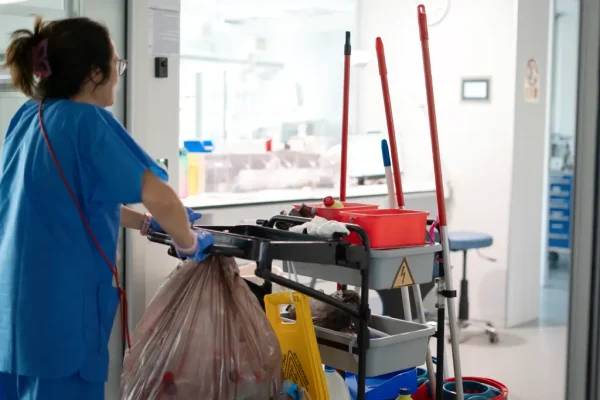
Daily office cleaning – when done properly – controls the accumulation of dust, skin cells, and biological material on surfaces before it becomes airborne. High-touch areas, communal kitchens, washrooms, and shared workstations are the primary sources of both germs and particulate matter. A thorough, consistent cleaning routine keeps those sources managed rather than allowing build-up between periodic deep cleans.
Window cleaning plays a less obvious but important role. Clean windows allow more natural light into your workspace – and natural light improves mood, reduces fatigue, and supports the body’s natural rhythms in ways that artificial lighting simply cannot replicate. In summer, when clean windows also allow for better ventilation when the temperature allows it, the difference to air circulation is tangible.
Part of what makes indoor air quality difficult to manage is that the problem is invisible. You can’t look at a room and know whether the air in it is affecting your people. At Carter & Faraday, our approach to indoor air quality services is built into the cleaning contracts we provide – ensuring that the underlying sources of poor air quality are consistently addressed rather than allowing them to accumulate between reactive interventions. Our indoor air quality solutions are practical, proven, and tailored to your site.
The Right Time to Act Is Now
Summer creates the conditions for poor indoor air quality at their most concentrated – closed windows, high pollen, overworked air conditioning, and staff spending more of the day inside.
If you’d like to talk about what that could look like for your premises, Carter & Faraday have been helping businesses across Sussex, Surrey, Kent, and South London breathe easier since 1978.